
What If Carbon Could Stay Useful for Longer?
Nature already has a carbon system. CRBNFIX is building ways to work with it—not against it. Plants capture carbon from the atmosphere. Biomass stores that carbon. The opportunity is to transform part of that biomass into stable, useful materials and keep the carbon in longer-lived applications.
What Happens to the Carbon We Grow?
Every plant captures atmospheric carbon as it grows. That carbon becomes part of biomass. But when biomass is burned, decomposes rapidly or is otherwise returned quickly to the atmosphere, that carbon does not remain stored for long. CRBNFIX asks a different question: Can we turn renewable biomass into stable carbon materials and keep more of that carbon productive for longer?
STANDARD BIOMASS CYCLE
Carbon returns rapidly to the atmosphere via burning or fast decomposition.
CRBNFIX CARBON-NEGATIVE PATHWAY
Carbon is locked into stable materials for durable, long-term application.
From Atmospheric Carbon to Longer-Lived Carbon.
CRBNFIX's approach begins with renewable biomass. Through controlled conversion, biomass can be transformed into stable carbon-rich materials. When those materials are placed into appropriate durable applications, a portion of that carbon can remain outside the short-term atmospheric cycle.
Biomass → Conversion → Stable Carbon → Durable Application → Measurement → Carbon Removal. The actual carbon-removal outcome depends on feedstock, process conditions, carbon characteristics, end use and applicable methodology.
The Difference Is in the Pathway.
Carbon reduction, carbon avoidance and carbon removal are not interchangeable ideas. CRBNFIX focuses on pathways where atmospheric carbon captured through renewable biomass can be converted into stable carbon and placed into an appropriate longer-lived application.
REDUCE
Lower the amount of greenhouse gases released into the atmosphere from industrial processes.
CAPTURE
Remove atmospheric CO₂ through biological photosynthesis or technological DAC processes.
STORE
Keep captured carbon in an appropriate, durable storage pathway for longer periods.
The Carbon Starts With What Already Grows.
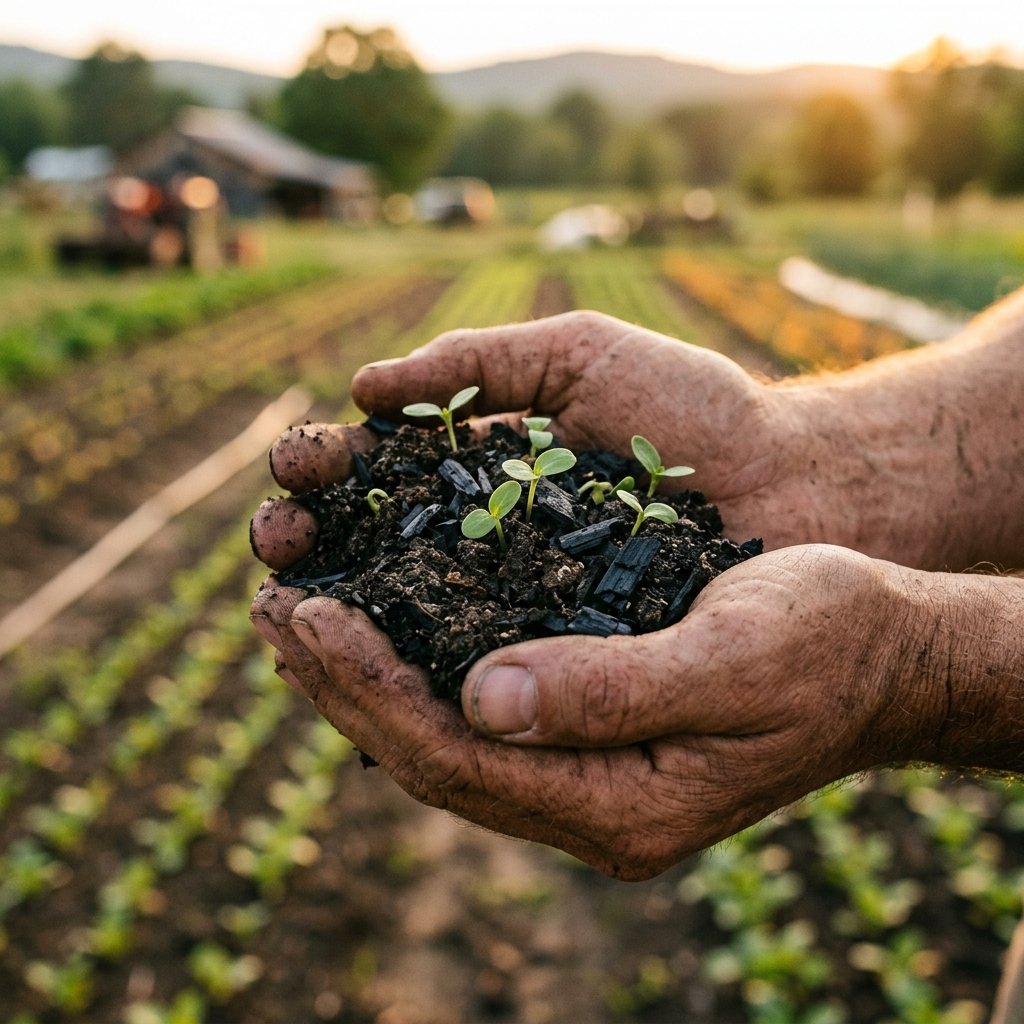
Bamboo and agricultural biomass contain carbon and useful organic matter. CRBNFIX works with these renewable resources as the starting point for its materials platform.
If We Can't Measure It, We Shouldn't Overstate It.
Carbon removal needs evidence. CRBNFIX's approach considers the carbon pathway from feedstock through conversion and final application.
FEEDSTOCK TRACEABILITY
MASS BALANCE
CARBON ACCOUNTING
LIFECYCLE ASSESSMENT
PRODUCTION DATA
PRODUCT CHARACTERISTICS
END-USE PATHWAY
MRV LOGS
THIRD-PARTY VERIFICATION
Based on assumptions and current facility configuration.
Based on measured production logs and defined methodology.
Independently assessed against an applicable standard or registry.
Carbon Negative Is Not a Label. It's a Direction.
For CRBNFIX, carbon negative means building a pathway where renewable biomass can become useful materials while creating the potential for measurable, longer-lived carbon removal.
“The goal is not simply to make carbon. The goal is to give captured carbon somewhere useful to stay.”