
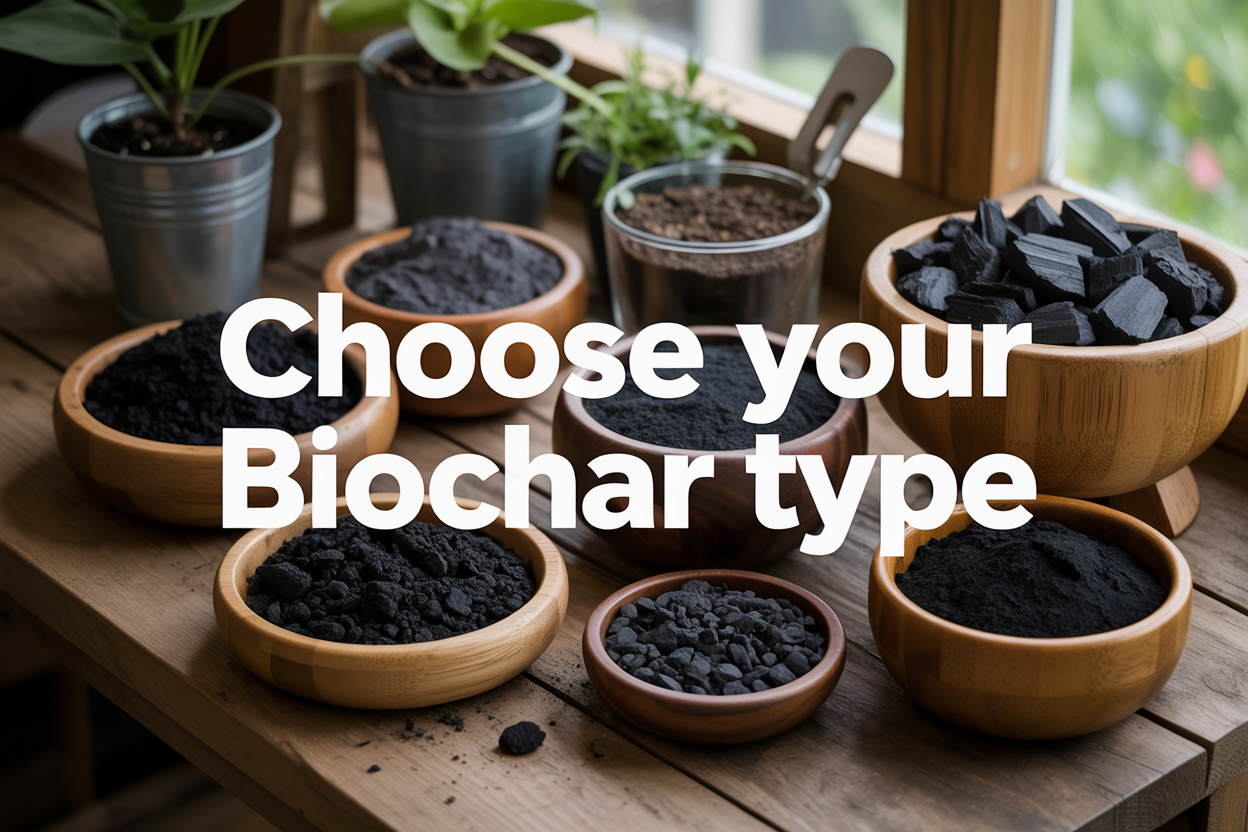
Getting the right biochar for your soil can feel overwhelming with so many options on the market. This comprehensive biochar selection guide breaks down everything you need to know about biochar types and how to pick the perfect match for your specific needs.
This guide is designed for home gardeners, farmers, and land managers who want to improve their soil health using this proven soil amendment biochar but aren’t sure where to start.
You’ll discover how to analyze your soil conditions and match them with the right biochar feedstock options. We’ll walk you through the key biochar quality standards that separate premium products from mediocre ones. Plus, you’ll learn how biochar particle size affects performance and get practical tips for finding certified suppliers who deliver real results.
By the end, you’ll have a clear roadmap for selecting biochar that actually works for your garden, farm, or restoration project.
Understanding Biochar Fundamentals for Smart Selection
Discover What Makes Biochar an Effective Soil Amendment
Biochar works like a microscopic sponge system in your soil, creating the perfect environment for plants to thrive. This carbon-rich material forms through pyrolysis – heating organic matter in low-oxygen conditions – which creates a highly porous structure that can hold up to six times its weight in water. These tiny pores become home to beneficial microorganisms, creating a bustling underground ecosystem that supports plant health.
The magic happens at the molecular level. Biochar types contain negatively charged surfaces that attract and hold onto essential nutrients like nitrogen, phosphorus, and potassium. Instead of these nutrients washing away with the next rain, they stick around in the root zone where plants can access them. This nutrient retention capability can reduce fertilizer needs by 20-50% while maintaining the same crop yields.
Different biochar varieties offer unique benefits based on their feedstock origins. Wood-based biochar typically provides excellent water retention and long-term carbon storage, while agricultural residue biochar often delivers higher nutrient content. Choosing biochar means selecting a soil amendment that continues working for decades, unlike compost or other organic materials that break down quickly.
The surface area of quality biochar can exceed 300 square meters per gram – that’s roughly the size of a tennis court packed into every gram of material. This massive surface area, combined with the stable carbon structure, makes biochar one of the most effective soil amendments available for improving soil health, water retention, and plant performance.
Learn How Production Methods Impact Biochar Quality
The way biochar gets made dramatically affects its performance in your soil. Pyrolysis temperature stands as the most critical factor – low temperatures (300-450°C) create biochar with higher nutrient content and more reactive surfaces, while high temperatures (500-700°C) produce biochar with greater stability and porosity. Biochar selection guide considerations must include understanding these temperature effects on the final product.
Fast pyrolysis creates biochar in seconds, producing smaller particle sizes and higher surface area, perfect for potting mixes and greenhouse applications. Slow pyrolysis takes hours or days, resulting in larger, more stable particles ideal for field applications and long-term carbon sequestration. The heating rate also affects pH levels – faster heating typically produces more alkaline biochar, which works well in acidic soils.
| Production Method | Temperature Range | Particle Size | Best Applications |
|---|---|---|---|
| Fast Pyrolysis | 400-600°C | Fine (0.1-2mm) | Container growing, seedling mixes |
| Slow Pyrolysis | 350-500°C | Coarse (2-20mm) | Field applications, tree plantings |
| Gasification | 700-900°C | Variable | Industrial scale, alkaline soils |
Activation processes can enhance biochar performance. Steam activation increases porosity, while acid washing removes ash content that might interfere with nutrient uptake. Some producers add beneficial microorganisms during production, creating “charged” biochar that’s immediately ready to support plant growth. Understanding these production variables helps you match biochar quality standards to your specific growing needs.
Identify Key Properties That Determine Performance
Surface area ranks as the most important performance indicator when evaluating different biochar options. Look for biochar with surface areas above 200 m²/g for maximum nutrient retention and microbial habitat. This property directly correlates with water holding capacity – high surface area biochar can increase soil water retention by 15-30%, reducing irrigation needs significantly.
pH levels determine where and how you can use specific biochar varieties. Most biochar ranges from pH 7-11, making it excellent for acidic soils but potentially problematic in already alkaline conditions. Best biochar for soil applications should match your existing soil pH or help correct imbalances. Wood-based biochar typically runs more alkaline, while biochar from agricultural residues tends toward neutral pH.
Carbon stability affects longevity and environmental benefits. Look for biochar with high fixed carbon content (above 70%) and low volatile matter (below 20%). These numbers indicate the biochar will persist in soil for decades rather than decomposing quickly. The H:C ratio should be below 0.6 – lower ratios mean greater stability and longer-lasting soil improvements.
Biochar feedstock options influence ash content, which affects nutrient availability. Manure-based biochar contains higher ash levels with immediately available nutrients, while clean wood biochar has minimal ash but provides better long-term soil structure improvements. Electrical conductivity measurements help identify salt levels that could harm sensitive plants – quality biochar should have EC values below 2 dS/m for most applications.
Cation exchange capacity (CEC) measures the biochar’s ability to hold and exchange nutrients. Higher CEC values (above 50 cmol/kg) indicate superior nutrient retention capabilities, making your fertilizer applications more efficient and reducing nutrient runoff into waterways.
Analyzing Your Soil Needs and Growing Conditions
Assess Your Current Soil pH and Nutrient Levels
Before diving into biochar selection, you need to understand what your soil actually needs. Start with a comprehensive soil test that measures pH, organic matter content, and key nutrients like nitrogen, phosphorus, and potassium. Most garden centers sell basic test kits, but for the most accurate results, send samples to your local agricultural extension office.
Soil pH plays a huge role in determining which biochar types will work best for your situation. If your soil is too acidic (below 6.0), look for biochar made from hardwood feedstocks, which typically have a higher pH and can help raise soil alkalinity. Sandy soils often benefit from biochar with higher cation exchange capacity, while clay-heavy soils need biochar that improves drainage and aeration.
Pay special attention to your soil’s carbon-to-nitrogen ratio. Soils low in organic matter will benefit most from biochar selection that includes pre-charged options already loaded with nutrients. Raw, unactivated biochar might actually tie up nitrogen initially, which could hurt plant growth in nutrient-poor soils.
Determine Your Climate and Water Requirements
Your local climate significantly impacts which biochar characteristics matter most. In arid regions, water retention becomes the top priority when choosing biochar. Look for fine-particle biochar made from woody feedstocks, as these create more micropores that hold moisture longer.
Humid climates present different challenges. Here, drainage and preventing waterlogged conditions take precedence. Coarser biochar particles work better in these environments, creating air pockets that prevent root rot and improve soil structure.
Temperature extremes also matter. Hot climates benefit from biochar’s ability to moderate soil temperature, while cold regions need biochar that won’t interfere with spring soil warming. Consider how often you can water and whether you’re dealing with seasonal drought conditions when making your biochar selection guide decisions.
Evaluate Your Specific Crop or Garden Goals
Different plants have vastly different needs, and your biochar choice should align with what you’re growing. Vegetable gardens typically need biochar with good nutrient-holding capacity and fine particle size for quick root contact. Perennial beds benefit from coarser, longer-lasting biochar that won’t need frequent replacement.
Container gardening requires specific biochar characteristics too. Smaller particle sizes work better in pots, and you’ll want biochar that’s been pre-activated to prevent nutrient lockup in the confined space. Tree and shrub applications can handle chunkier biochar that provides long-term soil improvement.
Think about your harvest goals as well. If you’re growing for maximum yield, invest in higher-quality biochar with proven nutrient enhancement. For basic soil improvement or erosion control, more affordable options might suffice.
Consider Your Budget and Application Scale
Biochar costs vary dramatically based on feedstock, processing method, and quality certifications. Set a realistic budget before shopping, and calculate the total amount needed for your project. Small garden plots might justify premium biochar, while large-scale applications often require more economical choices.
Factor in long-term value too. Higher-quality biochar lasts decades in soil, making the per-year cost much lower than cheaper alternatives that break down quickly. Consider bulk purchasing options if you’re treating larger areas – many suppliers offer significant discounts for larger orders.
Don’t forget application costs either. Some biochar types require mixing with compost or other amendments before use, adding to your total investment. Calculate whether you’ll need special equipment for spreading or if you can handle the application manually.
Exploring Different Feedstock Options and Their Benefits
Compare Hardwood vs Softwood Biochar Characteristics
Understanding the differences between hardwood and softwood biochar types helps you make the right choice for your specific soil needs. Hardwood biochar, created from oak, maple, hickory, and similar dense trees, offers superior durability and higher carbon content. This type typically features smaller pores and higher surface area, making it excellent for nutrient retention and long-term soil improvement.
| Characteristic | Hardwood Biochar | Softwood Biochar |
|---|---|---|
| Pore Structure | Fine, dense micropores | Larger macropores |
| Carbon Content | 75-85% | 70-80% |
| pH Level | 8.5-10.5 | 9.0-11.0 |
| Longevity | 500+ years | 300-400 years |
| Water Retention | Excellent | Good |
| Bulk Density | Higher | Lower |
Softwood biochar from pine, fir, and cedar trees creates a different soil dynamic. The larger pore structure improves soil aeration and drainage, making it perfect for clay soils that need better water movement. While softwood biochar has slightly less carbon stability, it often costs less and works well for short-term soil conditioning projects.
Choosing biochar based on wood type also affects your soil’s pH. Both types are alkaline, but softwood biochar typically raises soil pH more dramatically. This makes hardwood options better for sensitive plants or soils that already lean alkaline.
Evaluate Agricultural Waste-Based Biochars
Agricultural waste transforms into valuable biochar feedstock options that often outperform traditional wood-based alternatives. Rice hulls create biochar with exceptional silica content, strengthening plant cell walls and improving disease resistance. The high silica levels also help sandy soils retain moisture while adding structural support to plant stems.
Corn stover biochar brings balanced nutrition to gardens and farms. This feedstock produces biochar with moderate ash content and good cation exchange capacity, making nutrients more available to plants. The fibrous structure of corn stalks creates biochar with varied pore sizes, supporting both water retention and drainage.
Wheat straw biochar offers unique benefits for cereal crop production. The biochar contains trace amounts of nutrients that wheat and other grains specifically need. Many farmers report improved yields when using wheat straw biochar in rotation systems, creating a closed-loop approach to soil fertility.
Agricultural waste-based biochars typically cost less than premium wood options while providing targeted benefits:
- Rice hull biochar: High silica, disease resistance, moisture retention
- Corn stover biochar: Balanced nutrition, good CEC, versatile applications
- Wheat straw biochar: Cereal-specific nutrients, rotation system benefits
- Soybean residue biochar: Higher protein content, nitrogen cycling support
Understand Coconut Shell and Bamboo Biochar Properties
Coconut shell biochar stands out as one of the most consistent biochar types available today. The dense shell structure creates biochar with uniform pore distribution and exceptional durability. Coconut shells produce biochar with high fixed carbon content (80-85%) and low ash content, making it ideal for long-term soil carbon storage.
The tropical origin of coconut shell biochar means it handles heat and humidity better than temperate wood biochars. This makes it particularly valuable for greenhouse operations and hot climate gardening. The biochar also has natural antifungal properties that help protect plant roots from soil-borne diseases.
Bamboo biochar offers rapid renewability that appeals to environmentally conscious growers. Bamboo grows quickly and can be harvested sustainably every 3-5 years, compared to decades for hardwood trees. The resulting biochar has moderate porosity and good water-holding capacity.
Key properties comparison:
| Property | Coconut Shell | Bamboo |
|---|---|---|
| Carbon Content | 80-85% | 75-80% |
| Ash Content | 3-5% | 5-8% |
| Surface Area | Very High | High |
| pH Level | 8.0-9.5 | 8.5-10.0 |
| Renewable Cycle | 10-15 years | 3-5 years |
Both biochar feedstock options create products with excellent structural stability. Coconut shell biochar resists breakdown for centuries, while bamboo biochar provides good medium-term soil improvement with faster cycling of organic matter.
Assess Manure-Based Biochar for Nutrient-Rich Applications
Manure-based biochar revolutionizes soil fertility by combining carbon storage with immediate nutrient availability. Chicken manure biochar delivers the highest nutrient density, packed with nitrogen, phosphorus, and potassium that plants can access quickly. The high ash content (15-25%) means this biochar type requires careful application rates to avoid nutrient burn.
Dairy manure biochar provides gentler nutrient release with better pH buffering than poultry options. The complex organic compounds in dairy waste create biochar with varied pore structures that support diverse soil microbiology. This type works exceptionally well for perennial crops and established garden beds where slow, steady nutrition benefits long-term plant health.
Pig manure biochar offers balanced nutrition with good phosphorus availability. The biochar typically has moderate ash content (10-15%) and creates favorable conditions for beneficial soil bacteria. Many vegetable growers prefer pig manure biochar for root crops like carrots and potatoes.
Nutrient-rich biochar applications require different strategies than pure carbon biochars:
- Start with lower application rates (0.5-1% by volume)
- Test soil nutrition levels before and after application
- Mix with compost to moderate nutrient release
- Monitor plant response closely in first growing season
- Adjust irrigation as these biochars retain more water
The best biochar for soil nutrition often combines manure-based products with traditional wood biochar. This blend provides immediate fertility while building long-term soil carbon storage, creating sustainable growing systems that improve over time.
Matching Particle Size to Your Application Method
Choose Fine Particles for Container Gardening Success
Fine biochar particles ranging from 0.5 to 2 millimeters work best for container gardens and potted plants. These smaller particles mix easily with potting soil and create an even distribution throughout your growing medium. When working with limited root space in containers, fine particle biochar ensures maximum contact between roots and the amendment.
The smaller particle size also means better integration with existing soil particles, preventing the formation of biochar pockets that could disrupt water flow. Fine particles retain moisture more effectively due to their increased surface area, making them perfect for container gardening where consistent moisture levels are critical.
For seed starting and seedling development, fine particles won’t interfere with delicate root systems. They blend seamlessly into seed-starting mixes without creating barriers or air pockets that could hinder germination.
Recommended Fine Particle Applications:
- Indoor potted plants
- Seed starting trays
- Hanging baskets
- Small herb gardens
- Hydroponic systems
Select Medium-Grade Biochar for Raised Beds
Medium-grade biochar with particles measuring 2 to 8 millimeters strikes the perfect balance for raised bed applications. This biochar particle size provides excellent drainage while maintaining good water retention capabilities. The moderate size allows for proper air circulation around plant roots while still offering substantial surface area for nutrient exchange.
Raised beds benefit from medium-grade particles because they’re large enough to maintain soil structure and prevent compaction, yet small enough to distribute evenly throughout the growing medium. This particle size integrates well with typical raised bed soil mixes, which often contain a combination of compost, topsoil, and other amendments.
Medium particles work exceptionally well for vegetable gardens where root systems vary dramatically from shallow lettuce to deep-rooted tomatoes. The versatile size accommodates different root types without creating obstacles or dead zones in the soil.
Optimal Medium-Grade Uses:
- Vegetable raised beds
- Flower garden beds
- Mixed plantings
- Annual crop rotations
- Perennial borders
Optimize Coarse Biochar for Large-Scale Field Applications
Coarse biochar particles measuring 8 millimeters and larger excel in large-scale field applications where equipment-based incorporation is necessary. These larger particles withstand the mechanical stress of tilling and cultivation equipment without breaking down into dust that could create application issues.
The robust nature of coarse particles makes them ideal for permanent installations in orchards, vineyards, and field crops where the biochar needs to maintain its structure over multiple growing seasons. Coarse particles create excellent drainage pathways in heavy clay soils and help prevent waterlogging in agricultural fields.
Large particles also offer logistical advantages for commercial operations. They’re easier to spread uniformly with standard farm equipment and less likely to blow away during windy application conditions. The reduced surface area compared to fine particles means slower nutrient release, which aligns well with the longer-term goals of field-scale soil improvement.
Agricultural producers appreciate coarse biochar because it doesn’t interfere with precision planting equipment or create dust clouds during field operations. The particles settle into the soil profile effectively without creating barriers that could disrupt root penetration in row crops.
Best Coarse Particle Applications:
- Field crop production
- Orchard establishment
- Pasture improvement
- Large-scale soil remediation
- Commercial agriculture operations
Evaluating Quality Indicators and Certification Standards
Check Carbon Content and Stability Ratings
Carbon content tells you how much pure carbon your biochar contains, typically ranging from 50% to 90%. Higher carbon content usually means better soil amendment properties and longer-lasting effects. Quality biochar manufacturers provide detailed carbon analysis reports showing both total carbon and fixed carbon percentages.
Stability ratings measure how long your biochar will persist in soil without decomposing. Look for biochar with high carbon stability, indicated by low volatile matter content (under 20%) and minimal weight loss during thermal analysis. Stable biochar can remain active in soil for decades, making it a worthwhile long-term investment for your growing operation.
The H:C (hydrogen to carbon) ratio serves as another stability indicator. Ratios below 0.6 indicate highly stable biochar that won’t break down quickly. O:C (oxygen to carbon) ratios below 0.4 also signal good stability. These measurements help predict how well your biochar will maintain its structure and benefits over time.
Verify pH Levels Match Your Soil Requirements
Biochar pH varies dramatically depending on feedstock and production methods, ranging from acidic (pH 5) to highly alkaline (pH 12). Most commercial biochar falls between pH 8-11, making it naturally alkaline and excellent for acidic soils needing pH adjustment.
Test your soil pH before selecting biochar. If your soil is already alkaline (pH above 7.5), choose biochar with lower pH values or look for acid-washed versions. For acidic soils (pH below 6.5), standard alkaline biochar works perfectly to raise pH while adding carbon.
Some specialty biochar products undergo pH modification during production. Wood-based biochar typically has higher pH than grass or manure-based options. Always request pH specifications from suppliers and consider how the biochar’s pH will interact with your existing soil chemistry and target crops.
Examine Surface Area and Porosity Specifications
Surface area measurements reveal your biochar’s capacity to hold nutrients, water, and beneficial microorganisms. High-quality biochar typically offers 150-500 square meters per gram of surface area. Greater surface area means more sites for nutrient retention and microbial colonization.
Pore structure matters just as much as total surface area. Look for biochar with diverse pore sizes: micropores (less than 2 nanometers) for nutrient storage, mesopores (2-50 nanometers) for water retention, and macropores (over 50 nanometers) for air flow and root penetration.
Total pore volume, measured in cubic centimeters per gram, indicates water-holding capacity. Quality biochar shows pore volumes between 0.2-1.0 cm³/g. Higher porosity generally improves soil structure and drainage while providing habitat for beneficial soil organisms that enhance plant health.
Look for Third-Party Testing and Organic Certifications
Independent laboratory testing validates biochar quality claims and ensures consistency between batches. Reputable suppliers provide certificates of analysis from accredited labs showing carbon content, pH, ash content, heavy metals, and other key parameters. Avoid biochar without proper third-party verification.
Organic certification from OMRI (Organic Materials Review Institute) or similar bodies confirms the biochar meets organic farming standards. These certifications require strict feedstock sourcing, production methods, and contamination testing. OMRI-listed biochar can be used in certified organic operations without jeopardizing certification status.
Additional certifications to consider include IBI (International Biochar Initiative) standards and regional organic certifications. Some suppliers also provide sustainability certifications demonstrating responsible sourcing and carbon-negative production processes. Multiple certifications indicate higher quality control and commitment to industry standards.
Quality biochar suppliers willingly share detailed testing reports, production methods, and certification documents. They understand that informed customers make better purchasing decisions and achieve better results with properly specified biochar products.
Sourcing and Purchasing Your Ideal Biochar
Find Reputable Local and Online Suppliers
Finding the right biochar supplier can make or break your soil improvement journey. Start by researching local agricultural suppliers, garden centers, and composting facilities that carry biochar products. Many regions now have specialized biochar manufacturers who understand local soil conditions and can provide tailored recommendations.
Online marketplaces offer broader selection, but prioritize suppliers with transparent production methods and detailed product specifications. Look for companies that provide comprehensive data sheets including feedstock source, production temperature, pH levels, and ash content. Reputable suppliers will also offer sample quantities for testing before committing to larger purchases.
CrbnFix stands out as India’s pioneering biochar manufacturer, offering unmatched consistency in both biochar and bio-liquid production. As the first commercial-scale plant in the country, CrbnFix brings several advantages over traditional suppliers:
- Bulk quantity reliability: Guaranteed consistent supply for large-scale agricultural operations
- Quality standardization: Advanced production controls ensure uniform particle size and carbon content
- Local expertise: Deep understanding of Indian soil conditions and crop requirements
- Dual product offering: Both premium biochar and valuable bio-liquid byproducts
- Scalable solutions: Flexible order sizes from small farm trials to industrial applications
When evaluating any supplier, request references from existing customers and ask about their quality control processes. The best biochar buying guide approach involves building relationships with suppliers who can provide ongoing support and technical guidance.
Calculate Proper Application Rates for Maximum Results
Getting application rates right saves money and maximizes soil benefits. Biochar application rates vary dramatically based on soil type, crop requirements, and biochar characteristics. Sandy soils typically need 2-5% biochar by weight, while clay soils may only require 1-3% to see significant improvements.
Start with soil testing to establish baseline conditions including pH, organic matter content, and nutrient levels. This data helps determine optimal biochar types and application rates for your specific situation. Most agricultural applications range from 500-2000 pounds per acre for initial treatments, with maintenance applications of 200-500 pounds annually.
Application Rate Guidelines by Crop Type:
| Crop Category | Initial Rate (lbs/acre) | Maintenance (lbs/acre) | Soil Mix Percentage |
|---|---|---|---|
| Vegetables | 1000-2000 | 300-500 | 3-5% |
| Field Crops | 500-1500 | 200-400 | 2-4% |
| Orchards | 1500-3000 | 400-600 | 4-6% |
| Pasture | 800-1200 | 250-350 | 2-3% |
Container growing requires different calculations based on potting mix volume. Mix biochar at 10-20% by volume for most potted plants, adjusting based on plant tolerance and growing conditions.
Calculate total needs by multiplying your area by desired application rate, then add 10-15% extra for uneven distribution and future touch-ups.
Compare Pricing Options for Bulk vs Retail Purchases
Smart purchasing decisions balance upfront costs with long-term value. Retail biochar typically costs $2-8 per pound in small bags, while bulk purchases can drop prices to $0.50-2.00 per pound depending on quantity and supplier location.
Cost Comparison by Purchase Volume:
| Purchase Size | Price Range | Best For | Shipping Considerations |
|---|---|---|---|
| 1-10 lbs | $3-8/lb | Home gardens, testing | Standard shipping |
| 50-500 lbs | $1.50-4/lb | Small farms, raised beds | Freight options needed |
| 1000+ lbs | $0.75-2.50/lb | Commercial operations | Bulk delivery required |
| Truckload (20+ tons) | $0.50-1.50/lb | Large-scale agriculture | Direct factory pricing |
Bulk purchasing offers significant savings but requires proper storage facilities and equipment for handling. Consider moisture protection, pest control, and easy access for application when planning storage solutions.
CrbnFix provides competitive bulk pricing with flexible delivery options across India. Their established supply chain reduces transportation costs while maintaining product quality during shipping and storage.
Factor in total delivered costs including shipping, handling fees, and storage requirements when comparing suppliers. Many bulk suppliers offer seasonal discounts or volume commitments that can reduce costs by 15-30%. Group purchasing with neighboring farms or gardening communities can unlock bulk pricing benefits for smaller operations.
Consider payment terms, delivery scheduling, and return policies when finalizing purchase decisions. The best biochar selection guide includes building supplier relationships that support your long-term soil improvement goals.
Choosing the right biochar doesn’t have to feel overwhelming when you break it down step by step. Start by getting to know your soil through testing, then match that information with the feedstock types that address your specific needs. Remember that particle size matters just as much as the source material – fine particles work great for container gardens, while larger chunks are perfect for field applications.
Quality matters more than price when it comes to biochar investment. Look for certified products with clear lab results, and don’t hesitate to ask suppliers about their production methods. Your soil and plants will thank you for taking the time to make an informed choice. Once you find a biochar that works well for your setup, stick with that supplier and build a relationship – they’ll become your go-to resource for future soil improvement projects.